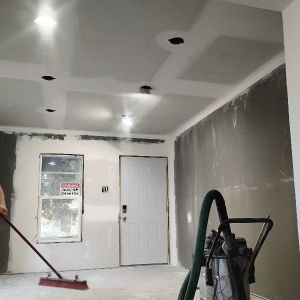
Compare Local Contractors for Foundation Construction Success
Compare local contractors for foundation construction to define project scope, verify experience, and set clear expectations for a successful build.
Foundation construction contractors handle a range of services essential to establishing a stable base for new structures or reinforcing existing ones. Typical work includes excavating and preparing the site, pouring concrete footings and foundation walls, and installing necessary reinforcement and drainage systems. These professionals ensure that the foundation is properly designed and constructed to support the weight of the building and withstand soil conditions, helping to prevent future issues such as settling, cracking, or water intrusion.
Clearly defining the scope of foundation work is important to ensure the project meets specific needs and expectations. This involves outlining the extent of excavation, types of foundation elements required, and any additional features like waterproofing or insulation. A detailed scope helps property owners communicate their requirements effectively and provides a basis for comparing different contractors’ proposals. It also minimizes misunderstandings and ensures that all parties agree on the work to be performed before construction begins.
Property owners can compare local contractors by examining their experience with similar foundation projects, reviewing their reputation within the community, and verifying their familiarity with local soil and building conditions. It’s beneficial to ask for references or examples of completed work to assess quality and reliability. Additionally, reviewing written proposals that clearly specify the scope of work, materials, and responsibilities can help in making informed decisions. Taking the time to evaluate each contractor’s approach and ensuring expectations are documented can support a smooth construction process.
Compare local contractors by outlining project priorities, verifying experience, and clearly defining scope and expectations.
- Verify Experience - Review the contractor’s background and past projects to ensure relevant expertise in foundation construction.
- Define Scope Clearly - Outline the specific work requirements and expectations to facilitate accurate comparisons.
- Compare Credentials and Services - Evaluate local contractors based on their offered services and professional backgrounds.
- Set Expectations in Writing - Document project details, scope, and responsibilities to promote clarity and accountability.
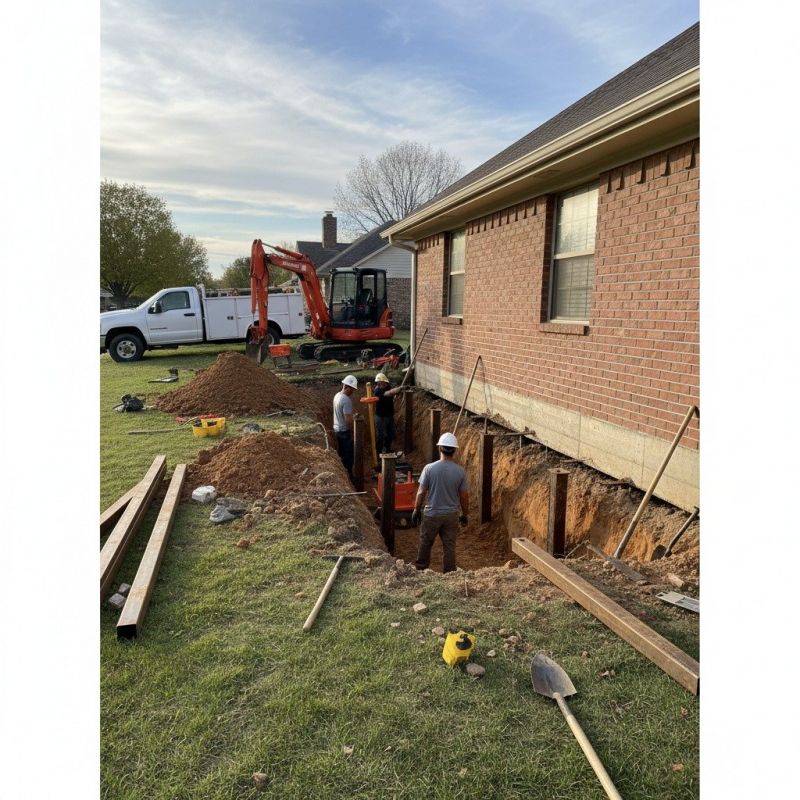
Compare local contractors by clearly describing your foundation project, defining scope, verifying experience, and setting expectations in writing.
- Verify experience and expertise in foundation construction specific to the project’s scope. - Ensure the service providers have a proven track record with similar types of foundation work.
- Compare multiple local contractors to assess their approach and methods for foundation installation. - Look for clear explanations of their construction techniques and materials used.
- Define project scope and expectations in writing to prevent misunderstandings and scope creep. - Make sure all work details, responsibilities, and deliverables are documented.
- Check references or reviews to gauge the quality of past foundation projects completed by the contractors. - Seek feedback on their professionalism, reliability, and workmanship.
- Confirm that the contractors understand site-specific considerations, such as soil conditions and load requirements. - Discuss how they plan to address unique challenges of the project site.
- Ensure the scope of work and responsibilities are clearly outlined in a detailed written agreement. - This helps set expectations and provides a reference throughout the project.
Use this to compare contractors, clarify scope, verify experience, and establish clear expectations.
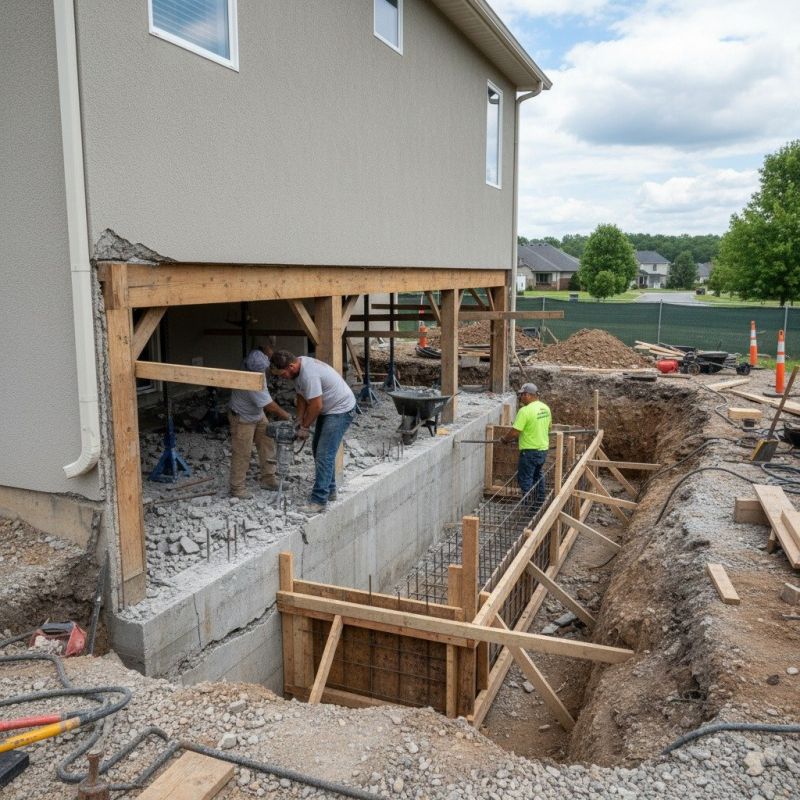
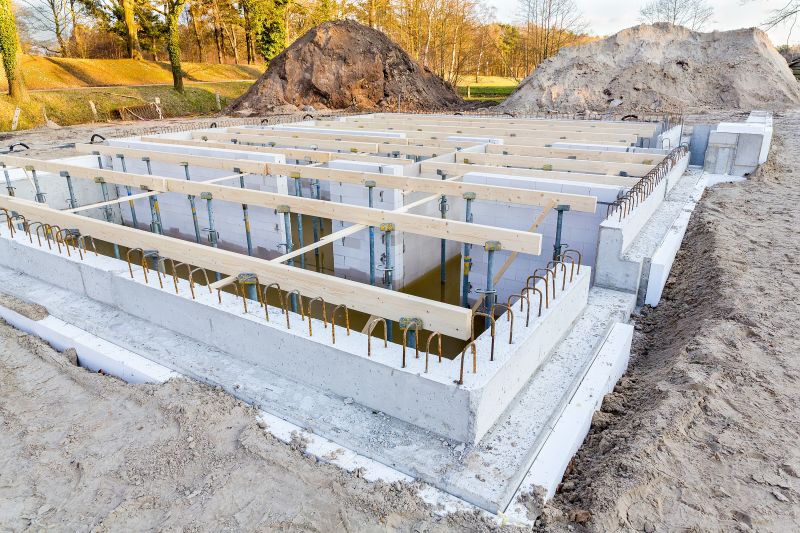
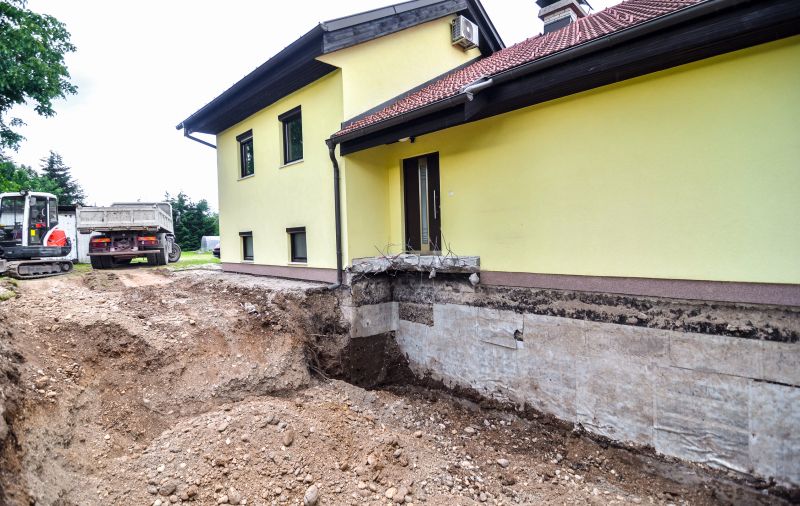

To compare foundation construction contractors effectively, focus on defining scope, verifying experience, and maintaining consistent expectations across service providers.
- Define project scope - clearly outline the specific foundation work needed to establish project requirements.
- Verify experience - ensure service providers have relevant experience with foundation construction in similar projects.
- Assess qualifications - confirm the qualifications and expertise of local contractors handling foundation work.
- Establish expectations in writing - document all scope details, materials, and responsibilities to prevent misunderstandings.
- Compare multiple service providers - evaluate local contractors based on scope, experience, and clarity of communication.
When evaluating contractors for foundation construction, it’s important to consider their experience with similar projects. Homeowners should inquire about the types of foundations they have worked on and ask for details about past projects that match the scope of their own needs. A contractor with a proven track record in foundation work relevant to the specific soil conditions, structure types, and challenges of the site can provide a level of confidence that they understand the nuances involved. This experience helps ensure that the chosen service provider has the practical knowledge necessary to handle the complexities of the project effectively.
Clear communication about the scope of work is essential when comparing foundation contractors. Homeowners should seek detailed, written descriptions of what each contractor intends to do, including the methods, materials, and specific tasks involved. A well-defined scope helps prevent misunderstandings and provides a basis for evaluating the completeness of each proposal. Service providers who can articulate their approach in writing demonstrate professionalism and transparency, making it easier to compare options based on the extent and clarity of their proposed work.
Verification basics are key to assessing the reliability of local contractors. Homeowners should verify that contractors have a history of completing projects successfully and ask for references or examples of completed work. It’s beneficial to confirm that the contractor has experience with the type of foundation needed and that they follow proper procedures for site assessment and preparation. While licensing and certification are not the focus here, understanding a contractor’s reputation and track record can help identify those who consistently deliver quality results and adhere to industry standards.
When comparing options, it’s helpful to evaluate how well each contractor’s proposal aligns with the project’s specific requirements. Homeowners should review the written scope, verify the contractor’s experience, and ensure all expectations are documented clearly. Asking questions about their approach to site conditions, materials, and methods can provide insight into their expertise. By focusing on the details of each proposal and the contractor’s background, homeowners can make informed decisions that lead to a successful foundation construction project, connecting with service providers who are well-suited to meet their needs.
Ask contractors to provide written scope details to ensure clear understanding and consistent project expectations.
- Experience and Qualifications - How do local contractors demonstrate their experience with foundation construction projects similar to yours?
- Scope of Work - What specific tasks and responsibilities are included in each contractor’s scope of work?
- Project Approach - How do service providers plan to approach the foundation construction to meet your project needs?
- Written Scope and Expectations - Are the project scope and expectations clearly outlined and documented in writing?
- Comparison Criteria - What criteria should be used to compare different contractors’ methods and proposed work plans?
What should I consider when choosing a contractor for foundation construction? It's important to compare local contractors based on their experience, reputation, and the scope of services they offer. Verifying their background and reviewing past work can help ensure they meet project needs.
How can I define the scope of foundation work with a contractor? Clearly outline the specific tasks, materials, and responsibilities involved in the foundation project. Communicating detailed expectations helps avoid misunderstandings and sets a solid foundation for the agreement.
What questions should I ask a contractor about their experience? Inquire about their previous foundation projects, years of experience, and familiarity with the type of foundation required. Requesting references or examples of past work can provide additional insight.
Why is it important to get everything in writing when working with a foundation contractor? Having detailed agreements that specify scope, responsibilities, and expectations helps prevent disputes and ensures both parties are aligned throughout the project.
How can I compare foundation contractors effectively? Review their credentials, project history, and client references. Comparing their scope of services and communication style can help identify which service provider best fits the project's needs.
What role does verifying a contractor’s experience play in foundation construction? Confirming their experience ensures the contractor has the necessary skills and knowledge to handle the specific foundation requirements, contributing to a successful project outcome.
Understanding the key aspects of foundation construction can help in making informed decisions when selecting a contractor. Comparing local service providers involves defining the scope of work, verifying their experience, and setting clear expectations in writing. This approach ensures that the project details are understood and agreed upon before work begins, supporting a smooth process.
Utilizing the quote form allows visitors to connect with knowledgeable local contractors who can handle foundation construction needs. It provides an opportunity to explore options, gather information, and find the right service provider to meet specific project requirements. Taking this step can help in making well-informed choices tailored to individual construction goals.